You give in the United States
International Emergency Resilience Foundation is a 501(c)(3) nonprofit registered in the US, EIN 33-4658339. Your gift is made to an American charity and is tax-deductible here, to the extent the law allows.
Panama
Our founder holds both American and Panamanian citizenship. Panama is not a country IERF picked off a map. It is home too, and it is where an ambulance can still be an hour away. Florida is our first priority; this is the other half of the story.
IERF is registered in the United States, so a gift made here, deductible under US law, becomes training there.
How it works
It is a shape most American donors already recognise: a US organisation, people permanently on the ground rather than flying in, and supporters at home who make the work possible month to month.
International Emergency Resilience Foundation is a 501(c)(3) nonprofit registered in the US, EIN 33-4658339. Your gift is made to an American charity and is tax-deductible here, to the extent the law allows.
Our Director of Operations for Panama, Arturo Villarreal, lives and works there year-round, alongside our partners at EMTS. He knows which communities need what, what they already have, and who to ask. Nobody flies in for a week and leaves.
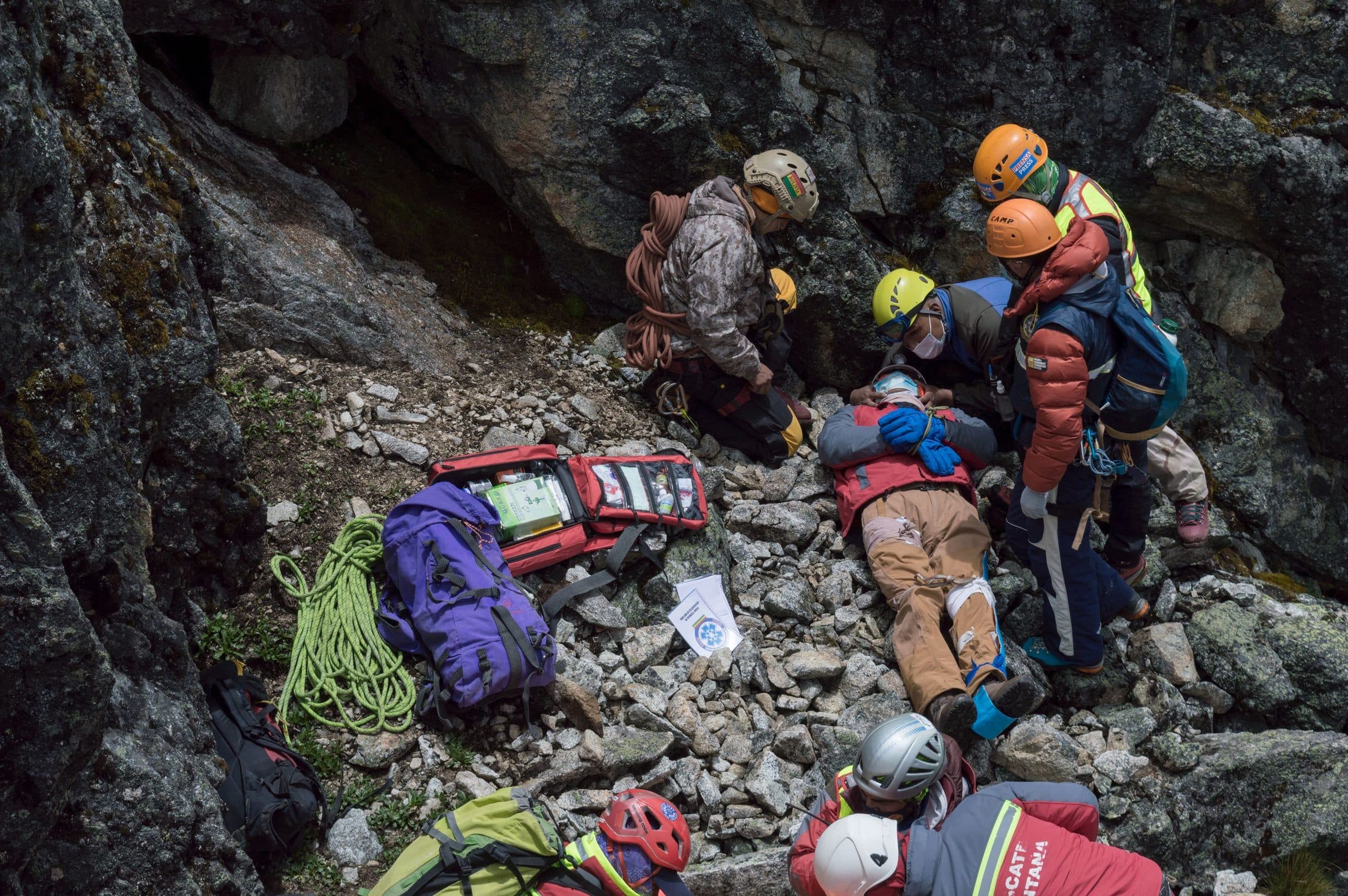
We do not arrive to perform rescue. We train the residents, volunteers and local responders who will still be there next year, in their language and to US standards.
IERF & EMTS
IERF’s partnership with EMTS, a Panamanian emergency medical service, is why the work here has roots rather than visits. Their medics know the ground, the language and the communities. We bring curriculum, equipment and US-aligned standards.
Together we give back through medical training, TCCC-style instruction and more, taught in Spanish by local medics working alongside us.
Relationships are what make training stick. You cannot fly into a community, hand out certificates and call it capability.
Why Panama
Every one of our programmes is built for the minutes before professional help arrives. Across much of Panama those minutes stretch. Distance, road conditions and the number of units covering a province all work against you.
So the same training that is useful in Florida is decisive here: trauma care, patient assessment, bleeding control, airway management and scene safety, delivered to community volunteers, residents and local organisations wherever we are asked.
Become a partner
One-off gifts pay for one class. Monthly partners are what let us publish a training calendar and tell a community in advance that we are coming. That is the difference between a programme and a series of favours.